

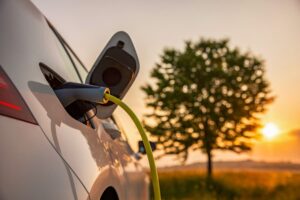
 Installing an EV charger at your home can dramatically improve your everyday convenience and savings. Before you do so, however, you need to take steps to make sure the charger is safe to use. You need a permit to install an EV charger in any New Jersey town. Corbin Electrical Services, Inc. explains why and explores how you can ensure safe electric car charging in your home.
Key Takeaways
- All towns in New Jersey require a permit before installing an EV charger.
- After getting a permit and completing the installation, you must schedule an inspection to make sure the project is completed properly.
- Hiring a professional installer is essential to ensure safe electrical work and avoid fire, electrocution risks, and other hazards.
- Corbin Electrical Services, Inc. offers EV charger installation in Monmouth, Middlesex, and Ocean Counties in New Jersey.
Do You Need a Permit to Install an EV Charger?
All New Jersey towns require homeowners to secure a permit for electric car charger installation. This is because EV chargers require a dedicated high-voltage circuit. Creating one safely requires special training, so it isn’t something that homeowners should attempt on their own. Permits ensure that the work is handled by a licensed professional who can perform the installation correctly.
In New Jersey, installing a residential EV charger is considered minor work, which allows installation to begin before the construction permit is issued as long as the permit was applied for and the township was notified that the work was commencing. However, at Corbin Electrical Services, Inc., we wait for permit approval before beginning. The EV charger permit process in New Jersey typically follows these steps:
- We submit an electrical permit application, complete with your town’s submission fee, to your local construction office.
- You wait one to five business days for the construction office to review your application.
- Once the permit is issued, the installation work can begin.
- After the electrical work is complete but before the walls are closed, a city inspector reviews the work to ensure that everything meets the requirements.
- If you pass inspection, then you receive a certificate of approval for use of the EV charger.
Corbin Electrical Services, Inc. handles the permit process for our customers. We have over 45 years of experience in the electrical industry, helping us avoid mistakes that may delay your EV charger installation.
What Should You Expect From Your EV Charger Inspection?
The final inspection is one of the most important steps of the EV permit process. This phase is about confirming that the wiring was done properly and that the charger is safe to use. The inspector will check every component of your installation to look for:
- A dedicated 240V circuit
- The correct breaker size
- The correct wiring gauge
- Secure charger mounting
- Clear breaker panel labeling
- Adequate load capacity
Failing the inspection doesn’t just lead to fines. It also means that your EV charger is not correctly installed and might be a safety hazard. Unsafe wiring can lead to fire, electrocution risks, and outages, putting you and your household in danger. This is why it’s important to trust the experts for EV charger installation. By leaving your project in the hands of the professionals, you keep everyone safe.
Learn More About EV Charger Permits in New Jersey
Do you need a permit to install an EV charger? Get this answer and more at Corbin Electrical Services, Inc. We are a Tesla-certified installer that has served Monmouth, Middlesex, and Ocean Counties, New Jersey, for over 45 years with professional electrical installations, including residential chargers, and maintenance. Contact us today to learn more about our EV charger installation process and requirements or to request a quote.
Corbin Electrical Services – “We Generate Peace of Mind”
FAQs About EV Charger Permits
What happens during an EV charger inspection?
An EV charger inspection is performed by a city inspector. The inspector evaluates your system capacity, checks your hardware and wiring, and verifies code compliance to make sure that the EV charger is correctly installed for safe use.
What do inspectors check for a Level 2 charger?
Inspectors check almost every component of your electrical system and Level 2 charger installation before giving permission to use the charger. This includes the:
- Main breaker panel
- Wire gauge
- Hardware mounting
- Cables, plugs, and pins
- Weatherproofing (for outdoor charging units)
Before scheduling your inspection, make sure that the inspector will have access to all of these components. This may require cleaning out your basement or moving furniture to eliminate obstacles.
Does my panel need to be labeled for my EV charger inspection?
Yes, your main breaker panel should be labeled for your inspection. The National Electrical Code requires every circuit to be clearly and legibly identified to prevent fire risks and circuit overloads.
Can a failed inspection delay charger use?
Yes, a failed inspection can delay permission to use your EV charger. The inspection is to ensure that the charger is installed correctly and that your system can handle its power demands. A failed inspection means that you cannot use the EV charger without risk to your safety. If you fail your EV charger inspection, then you should speak with the inspector or a licensed electrician to find out what steps you need to take before the charger will be safe to use.
Do New Jersey towns require EV charger permits?
Yes, all New Jersey towns require permits for permanent EV charger installations. A Level 2 EV charger requires adding a dedicated electrical circuit, which always requires a permit. Permits also affect your eligibility for EV rebates.
Why hire a licensed EV charger installer?
A licensed EV charger installer has the training and experience to perform the installation correctly. They can pull permits for installation, create new electrical circuits, and install new components while making sure that each connection is safe and secure. By hiring a licensed installer, you set yourself up for a passing inspection and safe use of your charger.