



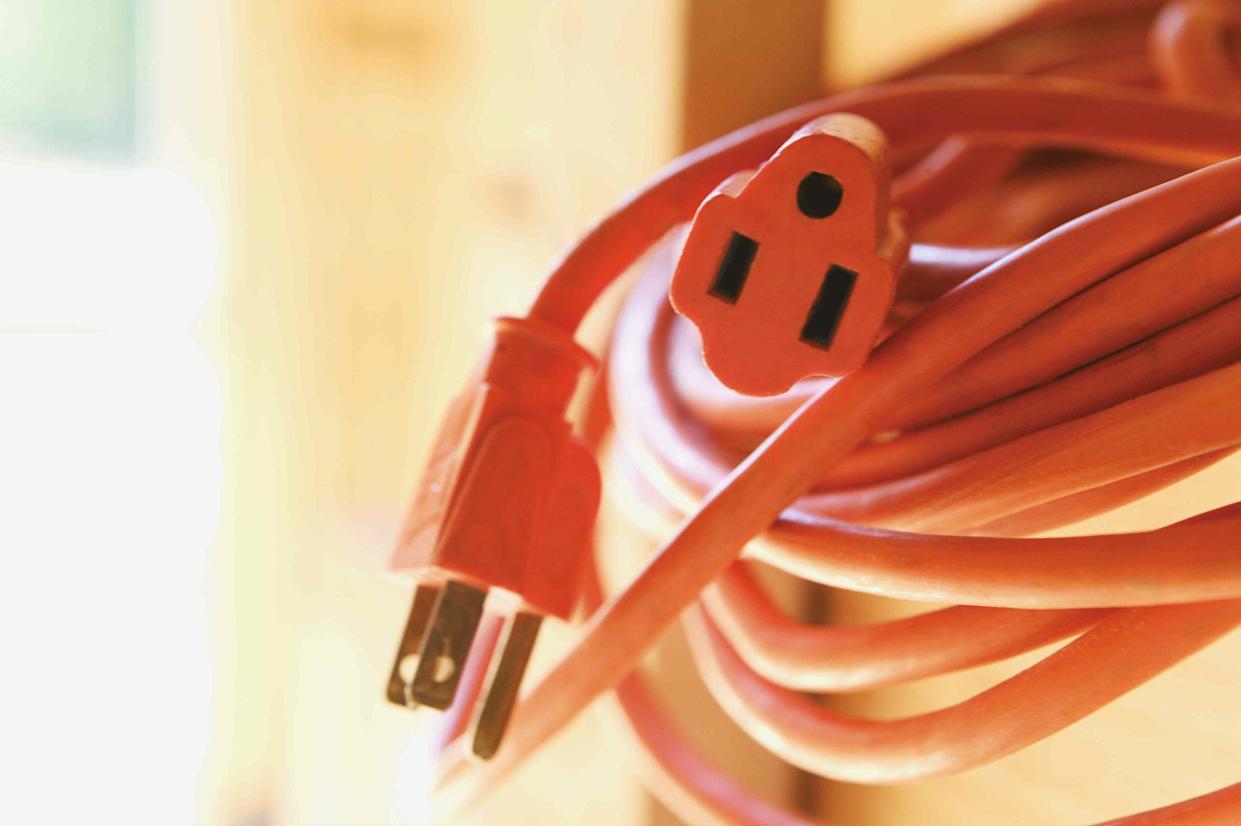
 An extension cord seems like a simple fix when an outlet isn’t where you need it. But extension cords are for temporary use and shouldn’t replace electrical work. Used the wrong way, they can overheat, damage your devices, or start a fire. Corbin Electrical Services, Inc. has provided comprehensive residential electrical services to Monmouth, Middlesex, and Ocean Counties in New Jersey for over 45 years. Here, we break down when not to use an extension cord, along with safer alternatives.
Key Takeaways
- Extension cords should only be used for temporary power needs, and improper use can create fire and electrical hazards.
- Dedicated outlets and circuits are safer, longer-term solutions.
- Frequent use of extension cords may indicate your home needs electrical upgrades.
- Corbin Electrical Services, Inc. provides electrical safety evaluations throughout New Jersey.
13 Times You Should Never Use an Extension Cord
Extension cords are useful, but there are situations where they should never replace proper electrical wiring. You should never use an extension cord in the following situations:
As Permanent Wiring
Extension cords are intended for temporary use. If you rely on one every day, it’s time to install a proper outlet instead.
Behind Walls
Never run an extension cord through walls, ceilings, floors, or crawl spaces. These cords are not made for concealed installation and can overheat, increasing the risk of fires.
When Cooking
High-powered kitchen appliances, such as toaster ovens, air fryers, and microwaves, should plug directly into an outlet. Extension cords may not be equipped to safely withstand their electrical load.
In Wet or Damp Areas
Water and electricity don’t mix. Avoid using standard extension cords in bathrooms, unfinished basements, garages, or outdoors, unless they are specifically rated for those conditions.
When Plugging in Multiple Devices
Overloading an extension cord with several devices can generate excessive heat and increase the risk of a fire. Each cord has a maximum electrical capacity that you shouldn’t exceed.
When Styling Your Hair
Hair dryers, curling irons, and flat irons draw significant power. Plug those heat-styling tools directly into a properly grounded bathroom outlet protected by a Ground-Fault Circuit Interrupter (GFCI).
Under Rugs, Carpets, and Furniture
Covering an extension cord traps heat and makes it hard to tell if it’s damaged. Furniture can also pinch or crush the cord, damaging its insulation over time.
With Major Appliances
Refrigerators, freezers, space heaters, air conditioners, washers, and dryers should always be plugged directly into dedicated outlets. These appliances require more power than most extension cords can carry.
If It Has Frayed Wires
Never use a damaged extension cord. Replace the cord immediately if you notice cracked insulation, exposed wiring, loose plugs, or bent prongs.
When Charging an Electric Bike or Scooter
Charging batteries generates a lot of heat. Plug chargers directly into a wall outlet whenever possible to reduce the risk of overheating.
For Outdoor Use (Without the Proper Rating)
Indoor extension cords can’t withstand moisture, sunlight, or temperature changes. Always choose an extension cord specifically rated for outdoor use when working outside.
When Connecting Power Across the House
Running long extension cords from one room to another creates tripping hazards and puts unnecessary strain on your electrical system. Putting in additional outlets is a safer solution.
If the Cord Is Too Long
Using a cord that’s longer than necessary can reduce efficiency and create excess heat. Choose the shortest cord that safely reaches your equipment.
Extension Cord Safety Tips
If extension cords have become part of your daily routine, your home’s electrical system may no longer meet your needs. Fortunately, there are safer, long-term solutions.
At Corbin Electrical Services, Inc., our electricians have the expertise to rewire your entire home, whether due to a renovation or aging wiring. We may recommend:
- Installing additional outlets
- Adding dedicated circuits for larger appliances or pools
- Installing GFCI protection in kitchens, bathrooms, garages, and outdoor areas
- Upgrading your electrical panel
- Replacing outdated wiring
- Installing home EV chargers
Improve Your Home’s Electrical Safety with Corbin Electrical Services, Inc.
Extension cords are useful in the right situations, but they’re not a fix for a home that needs more outlets, updated wiring, or dedicated circuits. Corbin Electrical Services, Inc. has served New Jersey for more than four decades. Our licensed electricians can evaluate your home’s setup and recommend the right long-term solution.
Don’t wait for a warm outlet or a tripped breaker to become a bigger problem. Contact us today to schedule an electrical safety evaluation.
Corbin Electrical Services – “We Generate Peace of Mind”
Frequently Asked Questions About Extension Cord Safety
How can I tell if an extension cord is overloaded?
A warm cord, tripped breaker, or a burning smell can all be signs that your cord is overloaded. Unplug it right away.
Are outdoor extension cords different from indoor ones?
Yes. Outdoor-rated cords have thicker insulation to resist moisture and extreme temperatures. They are often marked with a “W.”
Is it safe to plug a space heater into an extension cord?
No. Space heaters and other appliances use a lot of power and should plug directly into a wall outlet.
How often should I replace my extension cords?
Replace a cord as soon as you notice fraying, cracked insulation, or a loose plug.
Is it safe to leave an extension cord plugged in all the time?
No. Extension cords are intended for temporary use. Long-term use increases wear and may create unnecessary electrical hazards.
Why shouldn’t extension cords go under rugs?
Rugs trap heat and can hide damaged cords. Furniture placed on top of cords may also crush the insulation, increasing your fire risk.